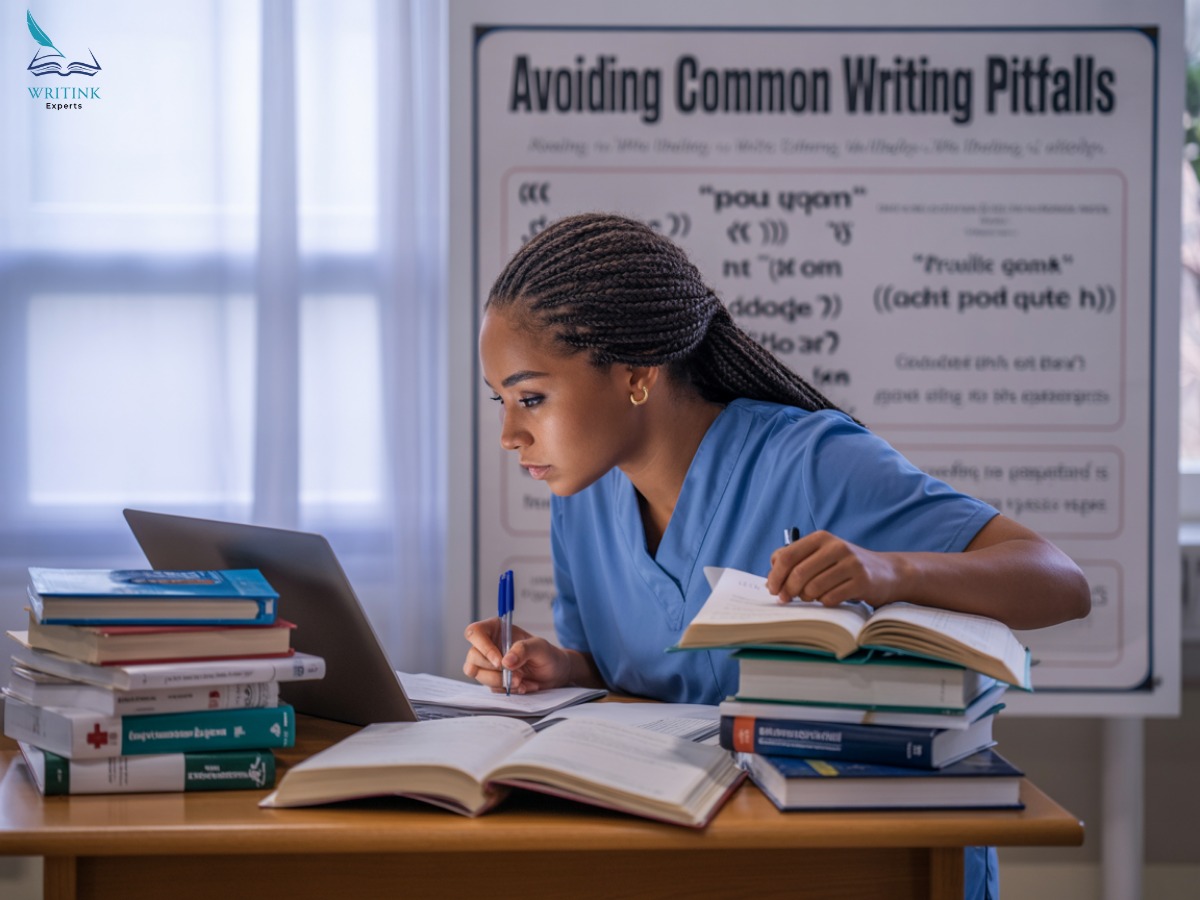
10 Common Mistakes Students Make in Academic Writing (And How to Avoid Them)
Success in college and professional life often depends on strong academic writing skills. Yet, many students struggle with common mistakes that weaken their papers. The good news? By recognizing these errors, you can avoid them and greatly improve the clarity, impact, and credibility of your writing.
In this guide, we’ll cover 10 of the most frequent academic writing mistakes—from weak thesis statements to poor structure—and show you practical ways to overcome them. Whether you’re writing an essay, research paper, or thesis, these tips will help you craft stronger, clearer, and more persuasive work.
“Academic writing is not about sounding complicated—it’s about being clear, focused, and persuasive.”
Writing Success Guide, 2025
Below are the most common mistakes students make in academic writing—and effective strategies to avoid them.
10 Academic Writing Mistakes (and How to Fix Them)
- Lack of a clear thesis statement – readers won’t know your main argument.
- Weak or vague arguments – unsupported claims reduce credibility.
- Overuse of passive voice – makes writing unclear and less engaging.
- Improper citation & plagiarism – risks academic penalties.
- Poor structure & organization – makes ideas confusing to follow.
- Overly complex language – trying to “sound smart” hurts clarity.
- Skipping revision & editing – leads to unnecessary errors.
- Ignoring counterarguments – creates a one-sided discussion.
- Inconsistent formatting – looks unprofessional and distracting.
- Not following assignment guidelines – risks losing marks.
Each of these issues weakens your academic writing—but with practice and attention, you can fix them. For instance, creating a strong thesis early, sticking to a logical structure, and revising carefully can dramatically improve your final paper.
FAQs About Academic Writing
How can I write a strong thesis statement?
Your thesis should be clear, specific, and debatable. Place it in the introduction so it guides your entire paper.
What tools help prevent plagiarism?
Use tools like Turnitin, Grammarly, or Copyscape to check originality before submission. Always cite properly.
How do I know if my paper is well organized?
A good paper follows a logical structure: introduction, body, and conclusion. Each paragraph should support your thesis clearly.
What formatting should I use?
Follow your professor’s instructions (APA, MLA, Chicago, etc.). Keep fonts, margins, and headings consistent.
How do I address counterarguments?
Acknowledge opposing viewpoints, then provide evidence to explain why your argument is stronger. This shows critical thinking and balance.

Comments (0)
No comments yet. Be the first to comment!
Leave A Comment